
The Devastating Effect of Sprays on Bees: What Every Beekeeper & Gardener Must Know
Bees are the lifeblood of our ecosystem, pollinating crops, supporting biodiversity, and producing the delicious honey you enjoy from Beekeepers Honey. Yet, the increasing use of chemical sprays and pesticides in agriculture and home gardens is causing serious harm to these vital pollinators. In this blog, we’ll explore how sprays affect bees, the science behind it, and what every gardener, farmer, and bee lover can do to protect them.
Usman-The Beekeeper
12/18/20252 min read
🐝 Why Bees Matter More Than You Think
Before we look at sprays, let’s understand why bees are so important:
🌼 Pollination: Bees pollinate over 75% of the world’s crops — fruits, vegetables, nuts, and seeds.
🍯 Honey production: Healthy bee colonies create natural honey — like the pure acacia honey and raw wildflower honey you find at Beekeepers Honey.
🌱 Ecosystem health: Bees support plant reproduction, biodiversity, and food security.
🧪 What Are Sprays & Why Are They Used?
Sprays — including pesticides, insecticides, herbicides, and fungicides — are widely used to control pests and improve crop yields. However, not all sprays are bee-friendly. Common spray chemicals include:
Neonicotinoids — widely linked to bee decline
Organophosphates
Pyrethroids
These chemicals may kill pests, but they also have unintended consequences on beneficial insects like honey bees.
🚨 How Sprays Affect Bees
1. Direct Toxicity
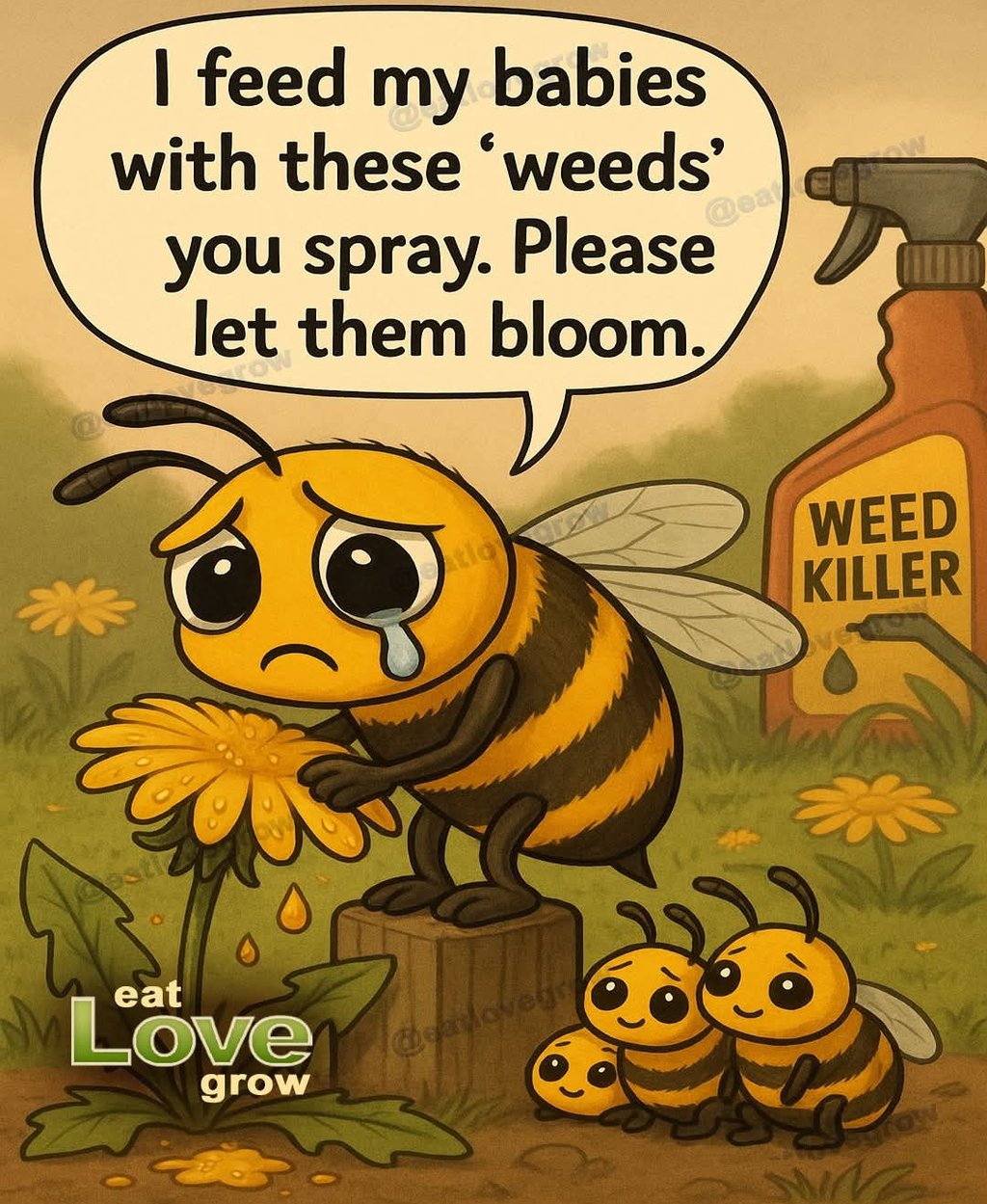
When bees come into contact with harmful sprays while foraging on flowers, they can die immediately or become unable to return to the hive.
2. Sub-Lethal Effects
Even if bees don’t die instantly, sprays can:
Disrupt navigation abilities
Weaken immune systems
Reduce foraging efficiency
Harm queen fertility
3. Colony Collapse Disorder (CCD)
Scientific studies show pesticides contribute to Colony Collapse Disorder, where worker bees abandon the hive, leading to complete colony failure.
🌿 Chemical Sprays Vs. Natural Beekeeping
At Beekeepers Honey, we believe in sustainable gardening and bee care. Here’s how chemical sprays compare to natural alternatives:
Chemical SpraysNatural AlternativesToxic to beesSafe for bees & pollinatorsKills beneficial insectsEncourages biodiversityLeaves chemical residuesSupports healthy soil & plants
Safe alternatives include:
Neem oil
Soapy water sprays
Beneficial nematodes
Companion planting
🌼 Tips to Protect Bees from Harmful Sprays
✔️ Use Organic & Bee-Safe Products
Choose sprays labeled “bee-friendly” or organic.
✔️ Spray During Evening Hours
Bees are less active in the evening, reducing exposure.
✔️ Plant Bee-Friendly Flowers
Examples: lavender, sunflowers, marigolds, clover.
✔️ Educate Your Community
Spread awareness about the effects of sprays on bees and how to protect pollinators.
🍯 Conclusion: Bees Need Our Protection
Sprays may help control pests, but at what cost? The negative impact of chemical sprays on bees threatens not only honey production but global food security.
By choosing bee-friendly practices, organic alternatives, and spreading awareness, we can protect these incredible pollinators.
At Beekeepers Honey, we’re committed to supporting sustainable beekeeping and healthy ecosystems, so every bee thrives and your honey remains pure and natural.
The Beekeeper's Honey
Raw & Pure honey harvested by dedicated beekeepers who prioritize the well-being of their bees and the environment.
Contact us
© 2018-26. All rights reserved.
Terms and Conditions